Top Cybersecurity Threats Businesses Face in 2026
Cybersecurity has become one of the most important concerns for organizations around the world. As businesses continue adopting cloud computing, artificial intelligence, remote work technologies, and connected devices, cybercriminals are finding new ways to exploit vulnerabilities.
In 2026, cybersecurity threats are becoming more sophisticated, automated, and difficult to detect. Organizations of all sizes face increasing risks that can lead to financial losses, operational disruptions, and reputational damage.
Understanding Cybersecurity Threats 2026 is essential for business leaders, IT professionals, and employees who want to protect valuable information and maintain secure operations.
This article explores the most significant cybersecurity threats businesses face in 2026 and the strategies that can help reduce risk.
Why Cybersecurity Matters More Than Ever
Modern organizations rely heavily on digital systems. From customer databases and financial records to cloud applications and communication platforms, businesses store vast amounts of sensitive information online.
A successful cyberattack can result in:
- Financial losses
- Data breaches
- Regulatory penalties
- Operational downtime
- Loss of customer trust
As technology evolves, businesses must remain proactive rather than reactive when it comes to cybersecurity.
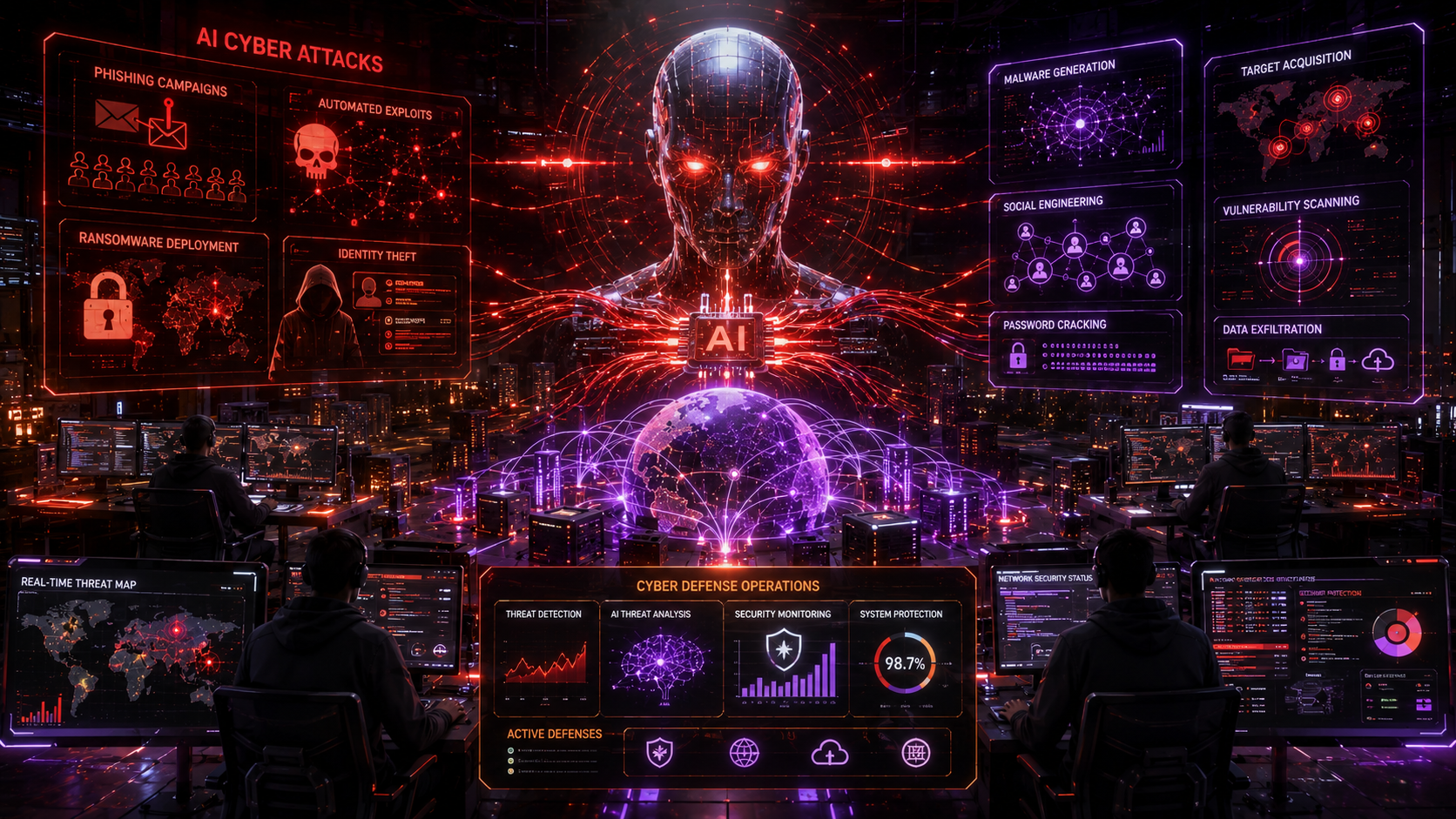
AI-Powered Cyber Attacks
Artificial intelligence is helping businesses improve efficiency, but cybercriminals are also using AI to enhance their attacks.
AI-powered cyberattacks can automate tasks that previously required significant human effort.
How Attackers Use AI
- Creating realistic phishing emails
- Identifying security weaknesses
- Automating malware deployment
- Generating fake content
- Conducting large-scale attacks
These advanced techniques make attacks more effective and harder to detect.
As a result, AI-powered threats have become one of the leading Cybersecurity Threats 2026.
Ransomware Attacks
Ransomware remains one of the most damaging cybersecurity threats facing businesses.
In a ransomware attack, criminals encrypt company data and demand payment in exchange for restoring access.
Why Ransomware Is Growing
Several factors contribute to the rise of ransomware:
- Increased digital dependence
- Remote work environments
- Valuable business data
- Sophisticated attack tools
Some ransomware groups now operate like professional businesses, offering support services and revenue-sharing models to affiliates.
Organizations that lack proper backups and recovery plans remain particularly vulnerable.
Advanced Phishing Scams
Phishing attacks continue to evolve.
Traditional phishing emails often contained obvious mistakes. However, modern phishing campaigns use artificial intelligence and detailed research to create highly convincing messages.
Common Phishing Targets
- Employees
- Executives
- Finance departments
- Human resources teams
- IT administrators
Attackers may impersonate trusted colleagues, customers, suppliers, or executives.
Because phishing relies on human error, employee awareness remains one of the strongest defenses.
Cloud Security Risks
Cloud adoption continues to accelerate in 2026.
While cloud platforms provide strong security features, improper configurations can create vulnerabilities.
Common Cloud Security Issues
- Misconfigured storage systems
- Weak access controls
- Unsecured APIs
- Excessive user permissions
- Poor identity management
Businesses often assume cloud providers handle all security responsibilities. In reality, organizations must actively manage their own cloud security practices.
Cloud-related vulnerabilities remain among the most significant Cybersecurity Threats 2026.
Insider Threats
Not all cybersecurity threats originate from external attackers.
Insider threats involve employees, contractors, or partners who intentionally or unintentionally compromise security.
Types of Insider Threats
Malicious Insiders
Individuals who deliberately steal information or damage systems.
Negligent Insiders
Employees who accidentally expose sensitive information through poor security practices.
Compromised Accounts
Authorized accounts that have been hijacked by cybercriminals.
Strong access controls and employee training help reduce insider-related risks.
Supply Chain Attacks
Businesses increasingly depend on third-party vendors, software providers, and service partners.
Cybercriminals exploit these relationships by targeting suppliers with weaker security defenses.
How Supply Chain Attacks Work
Attackers compromise a trusted vendor and use that access to infiltrate customer systems.
These attacks can affect hundreds or even thousands of organizations simultaneously.
Because businesses rely heavily on interconnected systems, supply chain attacks continue to grow in complexity and impact.
Internet of Things (IoT) Vulnerabilities
The number of connected devices continues to expand.
Smart sensors, industrial equipment, cameras, medical devices, and office systems all contribute to the growing Internet of Things ecosystem.
Unfortunately, many IoT devices lack strong security protections.
Common IoT Security Problems
- Weak passwords
- Outdated software
- Unencrypted communications
- Poor device management
Attackers frequently target vulnerable devices to gain access to larger networks.
Businesses deploying IoT solutions should prioritize security throughout the device lifecycle.
Deepfake and Social Engineering Attacks
Artificial intelligence has made it easier to create realistic fake audio, video, and images.
These deepfake technologies are increasingly used in cybercrime.
Potential Deepfake Threats
- Executive impersonation
- Financial fraud
- Fake customer requests
- Reputation damage
- Identity theft
Cybercriminals may use deepfake content to convince employees to transfer funds or disclose confidential information.
As deepfake technology improves, organizations must implement verification procedures for sensitive communications.
Credential Theft and Password Attacks
Passwords remain a major target for attackers.
Despite growing awareness, many users continue using weak or reused passwords.
Common Credential Attacks
- Password spraying
- Credential stuffing
- Brute force attacks
- Keylogging malware
- Social engineering
Compromised credentials often provide attackers with direct access to sensitive systems.
Businesses should encourage strong password policies and adopt multi-factor authentication whenever possible.
Data Breaches
Data breaches remain one of the most costly cybersecurity incidents.
Sensitive information such as customer records, financial details, intellectual property, and employee information can be exposed through various attack methods.
Consequences of Data Breaches
- Financial losses
- Legal liabilities
- Regulatory penalties
- Reputational harm
- Customer dissatisfaction
Preventing data breaches requires a combination of technology, policies, and employee awareness.
How Businesses Can Reduce Cybersecurity Risks
Although Cybersecurity Threats 2026 continue evolving, organizations can significantly reduce risk through proactive measures.
Employee Training
Regular cybersecurity awareness training helps employees recognize threats.
Multi-Factor Authentication
Adding extra verification layers improves account security.
Security Monitoring
Continuous monitoring helps detect suspicious activity quickly.
Data Backups
Reliable backups improve recovery after ransomware attacks.
Software Updates
Keeping systems updated reduces vulnerabilities.
Access Controls
Limiting access based on job responsibilities minimizes risk exposure.
A strong cybersecurity strategy combines people, processes, and technology.
The Future of Cybersecurity
The cybersecurity landscape will continue evolving as new technologies emerge.
Artificial intelligence, cloud computing, edge computing, and connected devices will create new opportunities as well as new security challenges.
Organizations that invest in cybersecurity today will be better prepared for future threats.
Proactive security practices, continuous monitoring, and employee education will remain critical components of effective defense strategies.
Learn more about cybersecurity best practices from CISA