How Passkeys Are Replacing Passwords in 2026
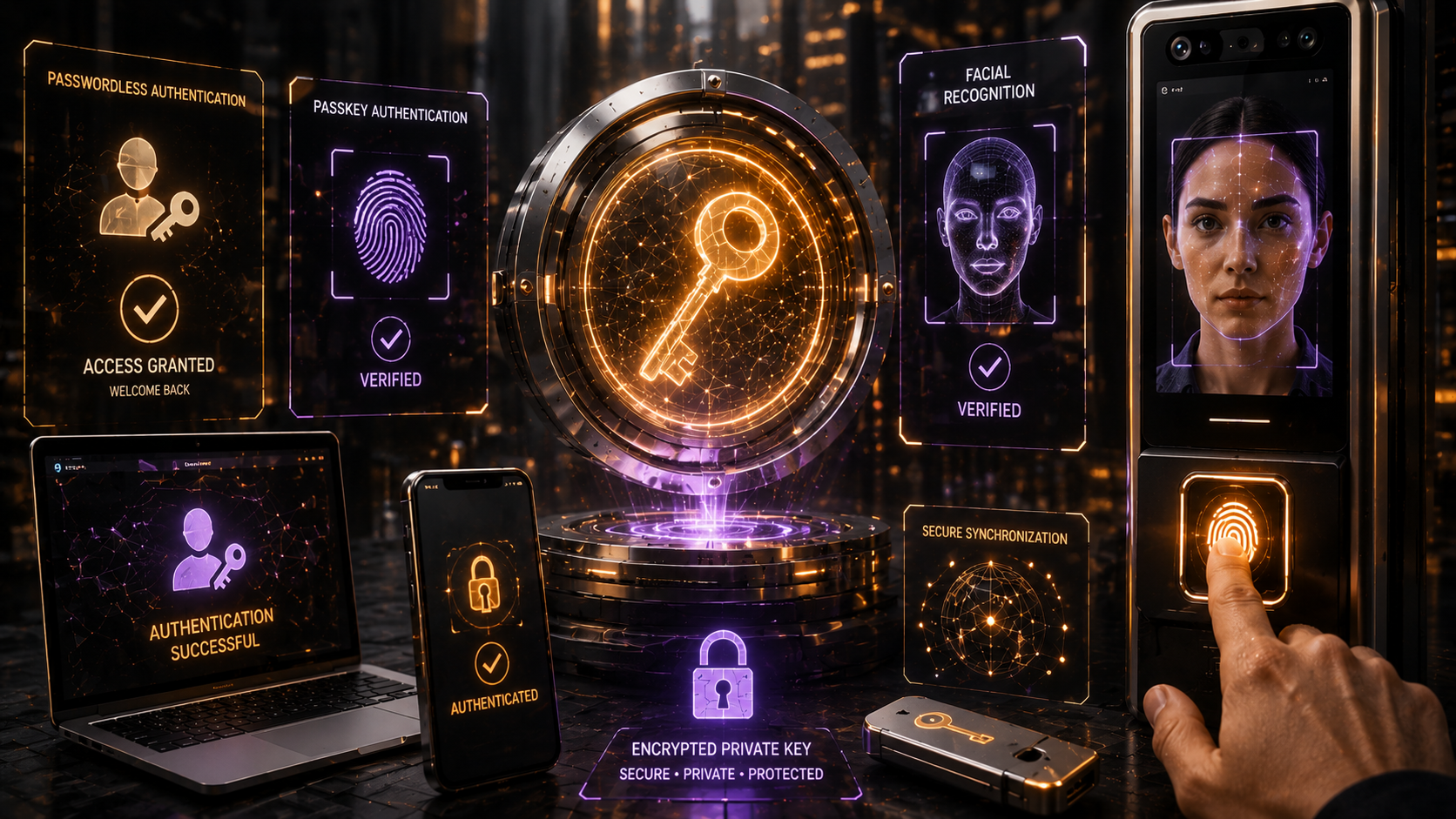
For decades, passwords have been the primary method of securing online accounts. From email services and banking platforms to social media and business applications, users have relied on passwords to protect sensitive information. However, passwords have also become one of the biggest weaknesses in cybersecurity.
Weak passwords, password reuse, phishing attacks, and credential theft continue to cause millions of security incidents every year. As a result, the technology industry is shifting toward a safer and more convenient solution known as passkeys.
In 2026, passkeys are rapidly gaining adoption across major technology platforms, businesses, and online services. Understanding Passkeys vs Passwords is becoming increasingly important for individuals and organizations seeking stronger digital security.
This article explores how passkeys work, why they are replacing traditional passwords, and what the future of authentication may look like.
What Are Passkeys?
A passkey is a modern authentication method designed to eliminate the need for traditional passwords.
Instead of requiring users to remember and enter complex passwords, passkeys use cryptographic technology combined with device-based authentication.
When a user creates a passkey, two cryptographic keys are generated:
- A public key stored on the service provider’s server
- A private key stored securely on the user’s device
The private key never leaves the device, making passkeys significantly more secure than traditional passwords.
Users typically authenticate using:
- Fingerprint recognition
- Facial recognition
- Device PIN codes
- Biometric authentication
This creates a faster and more secure login experience.
What Are Passwords?
Passwords are secret combinations of letters, numbers, and symbols used to verify user identity.
Although passwords have been widely used for decades, they present several security challenges.
Common Password Problems
- Weak password creation
- Password reuse across websites
- Forgotten passwords
- Credential theft
- Phishing attacks
Because users often struggle to manage multiple complex passwords, attackers frequently exploit these weaknesses.
These challenges have accelerated interest in Passkeys vs Passwords discussions across the cybersecurity industry.
Why Passwords Are Becoming Obsolete
Passwords were designed for a much simpler internet environment.
Today’s digital world involves:
- Multiple online accounts
- Remote work systems
- Cloud applications
- Mobile devices
- Financial services
- Smart devices
Managing dozens or even hundreds of passwords has become increasingly difficult.
Many users respond by:
- Reusing passwords
- Creating weak passwords
- Storing passwords insecurely
These habits create opportunities for cybercriminals.
Passkeys address these problems by removing the need to remember passwords altogether.
How Passkeys Work
The technology behind passkeys relies on public-key cryptography.
When logging into an account:
- The website sends an authentication request.
- The user’s device verifies identity through biometrics or a PIN.
- The private key signs the authentication request.
- The service validates the signature using the stored public key.
- Access is granted.
Because no password is transmitted or stored, attackers have fewer opportunities to steal credentials.
This is one of the primary advantages in the Passkeys vs Passwords comparison.
Security Benefits of Passkeys
Passkeys provide several important security improvements.
Protection Against Phishing
Traditional phishing attacks attempt to trick users into revealing passwords.
Passkeys cannot be entered into fake websites because authentication is tied directly to the legitimate service.
Reduced Credential Theft
There are no passwords to steal from users.
Even if attackers compromise a server, they cannot obtain usable passkeys.
Strong Cryptographic Protection
Passkeys use advanced cryptographic methods that are significantly more secure than traditional passwords.
Elimination of Password Reuse
Each passkey is unique to a specific service.
Users cannot accidentally reuse the same passkey across multiple accounts.
These advantages make passkeys one of the most significant cybersecurity innovations in recent years.
User Experience Benefits
Security is not the only reason passkeys are gaining popularity.
They also improve convenience.
Faster Logins
Users authenticate using biometrics or device verification.
Fewer Password Resets
Forgotten passwords become much less common.
Improved Accessibility
Users no longer need to memorize complex credentials.
Seamless Cross-Device Access
Modern passkey systems synchronize securely across trusted devices.
These benefits improve both security and usability.
Passkeys vs Passwords: Key Differences
Understanding Passkeys vs Passwords becomes easier when comparing their core characteristics.
Security
Passkeys provide stronger protection against phishing and credential theft.
Passwords remain vulnerable to many common attacks.
Convenience
Passkeys simplify authentication.
Passwords often create frustration due to complexity requirements.
Management
Passkeys require minimal management.
Passwords must be created, remembered, updated, and stored securely.
Risk of Reuse
Passkeys are unique to each service.
Passwords are often reused across multiple platforms.
Future Compatibility
Passkeys are designed for modern digital ecosystems.
Passwords were created for a much simpler internet environment.
These differences explain why passkeys are gaining widespread support.
Industries Adopting Passkeys
Many industries are already implementing passwordless authentication.
Financial Services
Banks are using passkeys to strengthen account protection.
Technology Companies
Major software platforms support passkey authentication.
Healthcare
Healthcare organizations use passkeys to secure sensitive patient information.
E-Commerce
Online retailers are improving customer account security through passwordless logins.
Enterprise Businesses
Organizations are reducing password-related support costs and security risks.
Adoption is expected to continue accelerating throughout 2026.
Challenges of Passkey Adoption
Although passkeys offer many benefits, some challenges remain.
User Education
Many users are unfamiliar with passwordless authentication.
Legacy Systems
Older software may not support passkey technology.
Device Dependency
Users need access to trusted devices for authentication.
Implementation Costs
Organizations may need to update infrastructure to support passkeys.
Despite these challenges, industry momentum continues growing.
The Future of Authentication
The future of digital authentication is moving toward passwordless experiences.
Cybersecurity experts increasingly view passwords as outdated technology.
Future authentication systems may combine:
- Passkeys
- Biometrics
- Device verification
- Behavioral analysis
- Artificial intelligence
These technologies will create stronger and more convenient security experiences.
Passkeys are expected to become a standard authentication method across many industries over the next several years.
Why Businesses Should Prepare
Organizations that adopt passkeys early can benefit from:
- Improved security
- Better customer experiences
- Reduced support costs
- Lower phishing risks
- Stronger regulatory compliance
Businesses that delay modernization may face increasing cybersecurity challenges as password-based attacks continue evolving.
Learn more about passkeys from the FIDO Alliance