Top Emerging Technologies to Watch in 2026
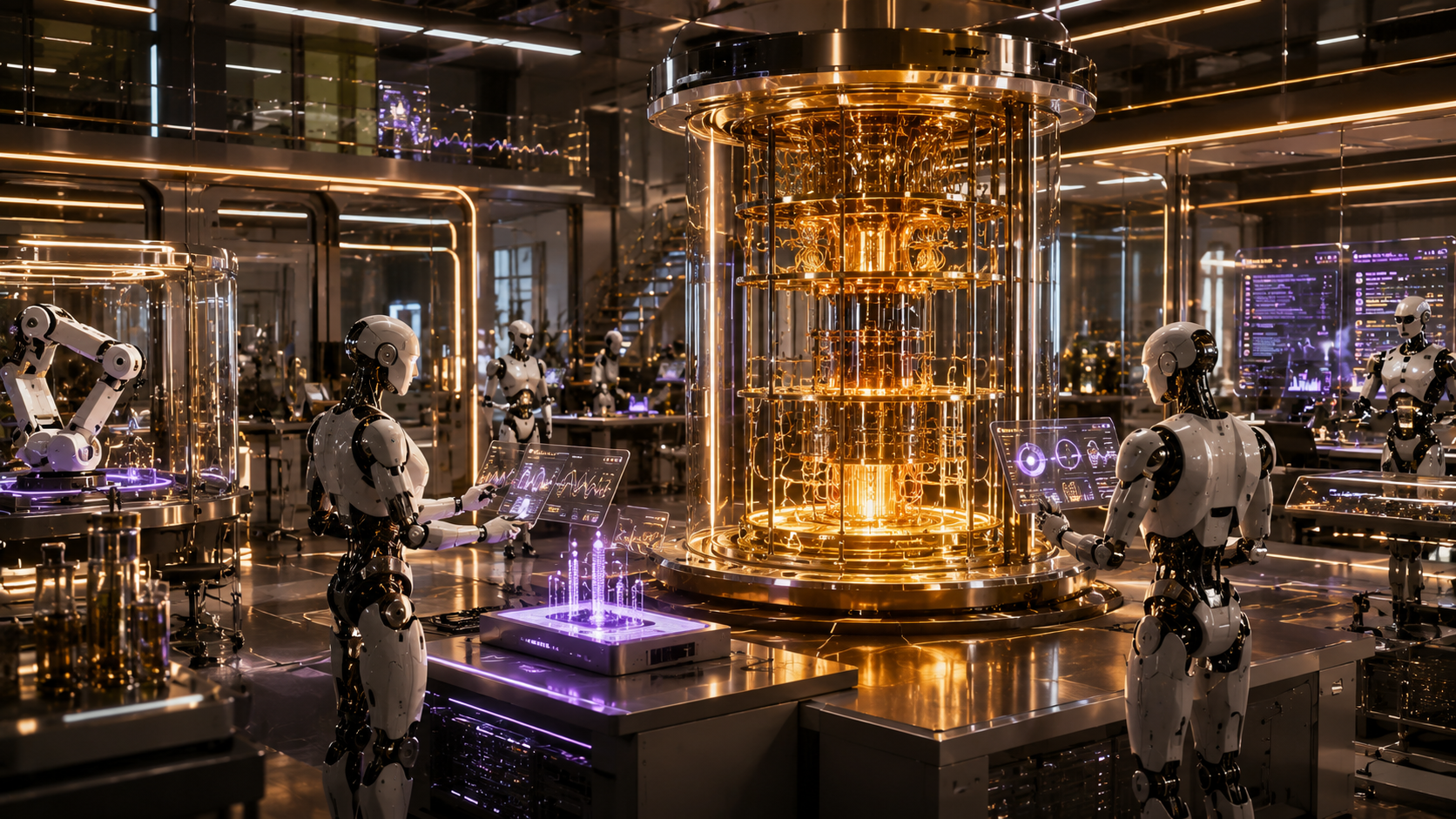
Technology continues to evolve at an incredible pace, creating new opportunities for businesses, governments, and consumers. Every year brings innovations that reshape industries and change the way people live and work. In 2026, several breakthrough technologies are moving from experimental stages into real-world applications.
Understanding Emerging Technologies 2026 is important for organizations that want to stay competitive and prepare for future changes. From artificial intelligence and quantum computing to advanced robotics and digital twins, these innovations are expected to influence nearly every sector of the global economy.
This article explores the most important emerging technologies to watch in 2026 and how they may transform the future.
Why Emerging Technologies Matter
Emerging technologies often start as research projects or niche solutions. Over time, they become practical tools that improve efficiency, reduce costs, and create entirely new markets.
Businesses that identify technology trends early can:
- Gain competitive advantages
- Improve productivity
- Create innovative products
- Enhance customer experiences
- Adapt to market changes faster
As technology adoption accelerates, staying informed has become more important than ever.
AI Agents and Autonomous Systems
Artificial intelligence remains one of the most influential innovations in Emerging Technologies 2026.
While traditional AI tools assist users with specific tasks, modern AI agents can operate autonomously and perform complex workflows with minimal human involvement.
Key Applications
- Business process automation
- Customer service management
- Supply chain optimization
- Cybersecurity monitoring
- Financial analysis
Organizations are increasingly investing in AI agents because they can improve efficiency and reduce operational costs.
As AI capabilities continue to advance, autonomous systems are expected to become a standard part of business operations.
Quantum Computing
Quantum computing has been discussed for years, but 2026 is expected to bring significant progress toward practical applications.
Unlike traditional computers, quantum computers process information using quantum bits, or qubits. This allows them to solve certain complex problems much faster than conventional systems.
Potential Benefits
- Faster scientific research
- Drug discovery acceleration
- Advanced cryptography
- Financial modeling
- Logistics optimization
Although widespread adoption may still take time, quantum computing remains one of the most promising emerging technologies of the decade.
Digital Twins
Digital twins are virtual representations of physical objects, systems, or processes.
Businesses use digital twins to monitor performance, simulate changes, and predict future outcomes before making real-world decisions.
Industries Using Digital Twins
- Manufacturing
- Healthcare
- Energy
- Transportation
- Construction
For example, manufacturers can create digital replicas of equipment to identify maintenance needs before failures occur.
This technology helps reduce costs and improve operational efficiency.
Advanced Robotics
Robotics technology is becoming smarter, more affordable, and more adaptable.
Modern robots are increasingly powered by artificial intelligence, enabling them to perform tasks that once required human judgment.
Robotics Applications
- Warehouse automation
- Healthcare assistance
- Agriculture
- Manufacturing
- Logistics
Collaborative robots, often called cobots, are designed to work alongside humans rather than replace them.
The combination of robotics and AI is creating new possibilities for automation across industries.
Edge Computing
As connected devices continue to grow, traditional cloud infrastructure faces increasing demands.
Edge computing addresses this challenge by processing data closer to where it is generated.
Instead of sending all information to centralized cloud servers, edge devices analyze data locally.
Advantages of Edge Computing
- Faster response times
- Reduced latency
- Improved security
- Lower bandwidth usage
- Enhanced reliability
Industries such as healthcare, manufacturing, and transportation are rapidly adopting edge computing solutions.
Many experts consider it one of the most impactful components of Emerging Technologies 2026.
Extended Reality (XR)
Extended Reality combines several immersive technologies, including:
- Virtual Reality (VR)
- Augmented Reality (AR)
- Mixed Reality (MR)
These technologies create digital experiences that blend physical and virtual environments.
XR Use Cases
- Employee training
- Education
- Product design
- Remote collaboration
- Entertainment
Businesses are increasingly using XR solutions to improve learning experiences and reduce training costs.
As hardware becomes more affordable, adoption is expected to increase significantly.
Next-Generation Connectivity
The demand for faster and more reliable internet continues to grow.
While 5G networks are still expanding globally, researchers and telecommunications companies are already exploring future connectivity solutions.
Benefits of Advanced Connectivity
- Faster data transmission
- Improved IoT performance
- Enhanced remote work capabilities
- Better smart city infrastructure
- More reliable communications
Future wireless technologies will support billions of connected devices and enable new digital services.
Cybersecurity Powered by AI
Cybersecurity remains a major concern for organizations worldwide.
As cyber threats become more sophisticated, businesses are turning to artificial intelligence for protection.
AI Cybersecurity Capabilities
- Threat detection
- Fraud prevention
- Risk analysis
- Automated incident response
- Behavioral monitoring
AI-powered cybersecurity systems can identify suspicious activities faster than traditional methods.
This makes cybersecurity one of the most important technology sectors to watch in 2026.
Sustainable Technology Solutions
Environmental sustainability is becoming a key priority for businesses and governments.
Technology companies are developing solutions that reduce energy consumption and support sustainable practices.
Examples of Sustainable Technologies
- Energy-efficient data centers
- Smart power grids
- Green cloud computing
- Carbon monitoring systems
- Renewable energy management
Organizations are increasingly investing in technologies that support both profitability and environmental responsibility.
Smart Cities and Intelligent Infrastructure
Urban populations continue to grow, creating new challenges for transportation, energy management, and public services.
Smart city technologies use sensors, artificial intelligence, and connected infrastructure to improve urban living.
Smart City Applications
- Traffic optimization
- Waste management
- Public safety
- Energy efficiency
- Environmental monitoring
Cities around the world are adopting intelligent systems to improve services and reduce operational costs.
Smart city development is expected to accelerate throughout 2026 and beyond.
Challenges Facing Emerging Technologies
Despite their potential, emerging technologies face several challenges.
Regulatory Concerns
Governments continue developing rules related to artificial intelligence, privacy, and data protection.
Security Risks
New technologies often create additional cybersecurity challenges.
High Costs
Some innovations require significant investments before delivering returns.
Skills Gaps
Organizations need trained professionals capable of implementing and managing advanced technologies.
Addressing these challenges will be critical for successful adoption.
The Future of Emerging Technologies
The future of Emerging Technologies 2026 looks incredibly promising.
Artificial intelligence, quantum computing, robotics, digital twins, and edge computing are expected to reshape industries and create new opportunities worldwide.
Businesses that embrace innovation today will be better prepared for tomorrow’s challenges. Those that ignore technological developments may struggle to remain competitive in an increasingly digital economy.
As these technologies mature, they will continue driving productivity, innovation, and economic growth across multiple sectors.
Explore global technology trends from the World Economic Forum