AI Agents vs AI Assistants: What’s the Difference in 2026?
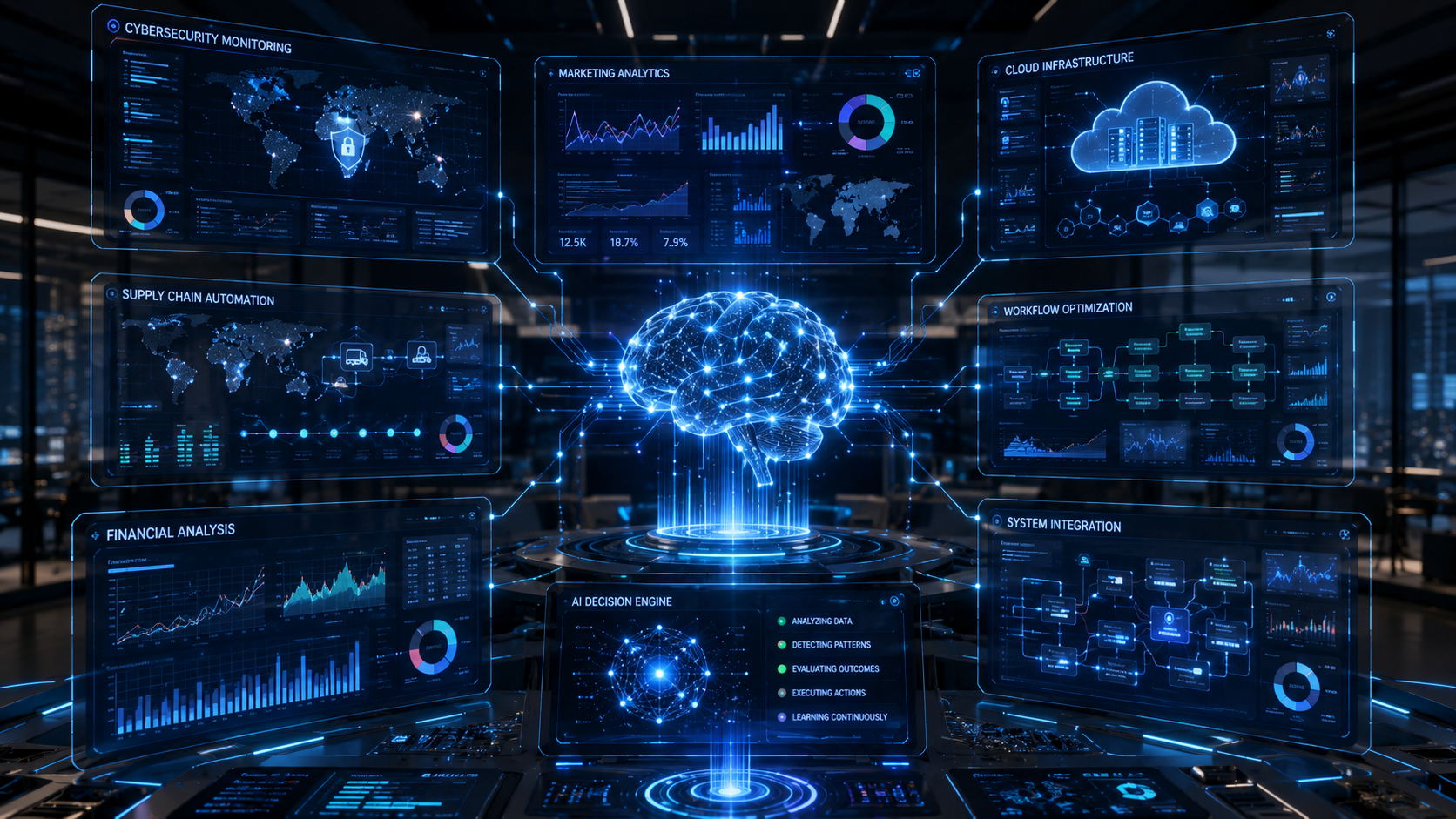
Artificial intelligence continues to evolve at a rapid pace, introducing new technologies that are transforming how people work and interact with digital systems. Among the most talked-about innovations today are AI agents and AI assistants. While many people use these terms interchangeably, they are not the same. Understanding the difference between AI agents and AI assistants is becoming increasingly important as businesses and individuals adopt advanced AI solutions.
In 2026, both technologies are more powerful than ever. However, they serve different purposes and offer unique advantages. This guide explains AI agents vs AI assistants in simple terms, helping you understand how each technology works and where it can be used effectively.
What Is an AI Assistant?
An AI assistant is a software tool designed to help users perform tasks through direct interaction. It responds to commands, answers questions, provides recommendations, and assists with daily activities.
Popular examples include virtual assistants that help users schedule meetings, draft emails, search for information, or manage calendars.
The primary characteristic of an AI assistant is that it usually waits for user input before taking action. It acts as a helpful digital companion that supports users whenever assistance is needed.
Key Features of AI Assistants
- Respond to user commands and requests
- Provide information and recommendations
- Help with productivity tasks
- Support natural language conversations
- Require user direction for most actions
AI assistants are commonly used in smartphones, customer support systems, workplace productivity tools, and smart home devices.
What Is an AI Agent?
An AI agent goes beyond simple assistance. It can independently perform tasks, make decisions, and achieve goals with minimal human intervention.
Instead of waiting for instructions at every step, an AI agent can analyze situations, create action plans, execute tasks, and adapt based on results.
For example, an AI agent may monitor inventory levels, place supply orders automatically, communicate with vendors, and optimize purchasing decisions without requiring continuous human oversight.
This autonomous capability is what makes AI agents significantly different from traditional AI assistants.
Key Features of AI Agents
- Operate autonomously
- Make decisions based on objectives
- Execute multi-step workflows
- Learn from outcomes and feedback
- Adapt to changing conditions
Businesses are increasingly deploying AI agents to automate complex operations and improve efficiency.
AI Agents vs AI Assistants: Main Differences
Understanding AI Agents vs AI Assistants becomes easier when comparing their core functions.
Level of Autonomy
AI assistants typically require user commands to perform actions. They help users complete tasks but do not independently pursue goals.
AI agents can act autonomously. Once given an objective, they can determine the best path to achieve it.
Decision-Making Ability
AI assistants focus on providing support and information.
AI agents analyze data, evaluate options, and make decisions based on predefined objectives.
Task Complexity
AI assistants are ideal for simple or moderately complex tasks.
AI agents can handle sophisticated workflows involving multiple steps, systems, and decision points.
Continuous Operation
AI assistants usually work when users actively interact with them.
AI agents can operate continuously in the background, monitoring conditions and taking action when needed.
Business Impact
AI assistants improve individual productivity.
AI agents can transform entire business processes by automating operations and reducing manual intervention.
Real-World Examples of AI Assistants
Many organizations use AI assistants to improve employee productivity and customer experiences.
Examples include:
- Virtual customer support representatives
- Meeting scheduling tools
- Email writing assistants
- Smart voice assistants
- Personal productivity applications
These systems help users accomplish tasks more efficiently while keeping humans in control of decision-making.
Real-World Examples of AI Agents
The rise of autonomous systems has accelerated the adoption of AI agents across industries.
Examples include:
Supply Chain Management
AI agents monitor inventory levels, forecast demand, and automatically place orders when supplies run low.
Financial Services
They analyze market conditions, detect fraud, and optimize investment strategies.
Cybersecurity
AI agents continuously monitor networks, identify threats, and respond to security incidents in real time.
Marketing Automation
They create campaigns, analyze performance metrics, and optimize advertising budgets without manual intervention.
These applications demonstrate how AI agents can independently manage complex business operations.
Benefits of AI Assistants
AI assistants remain valuable because they are user-friendly and highly effective for personal and professional productivity.
Increased Efficiency
Users can complete tasks faster through natural language interactions.
Better Accessibility
AI assistants make technology easier to use for people with varying levels of technical expertise.
Improved Customer Experience
Businesses can provide instant support and faster response times.
Lower Learning Curve
Most users can quickly learn how to interact with AI assistants.
Benefits of AI Agents
AI agents offer additional advantages for organizations seeking automation and scalability.
Greater Automation
They reduce the need for constant human supervision.
Faster Decision-Making
AI agents process large volumes of data quickly and make informed decisions.
Cost Savings
Organizations can automate repetitive and complex workflows, reducing operational expenses.
Scalability
AI agents can manage growing workloads without requiring proportional increases in staffing.
Challenges of AI Agents and AI Assistants
Despite their advantages, both technologies face challenges.
AI Assistants
- Limited autonomy
- Dependence on user instructions
- Difficulty handling highly complex workflows
AI Agents
- Higher implementation costs
- Greater complexity
- Increased need for governance and monitoring
- Potential ethical concerns regarding autonomous decisions
Organizations must carefully evaluate their needs before choosing between these technologies.
The Future of AI Agents and AI Assistants
The future will likely involve collaboration between AI agents and AI assistants rather than competition.
AI assistants will continue helping users interact with technology through conversational interfaces. Meanwhile, AI agents will increasingly handle complex backend operations and autonomous workflows.
As artificial intelligence advances, businesses will integrate both technologies to create more intelligent and efficient systems.
Experts predict that AI agents will become a major driver of digital transformation over the next decade, while AI assistants will remain essential for everyday productivity and communication.
Learn more about Artificial Intelligence from IBM